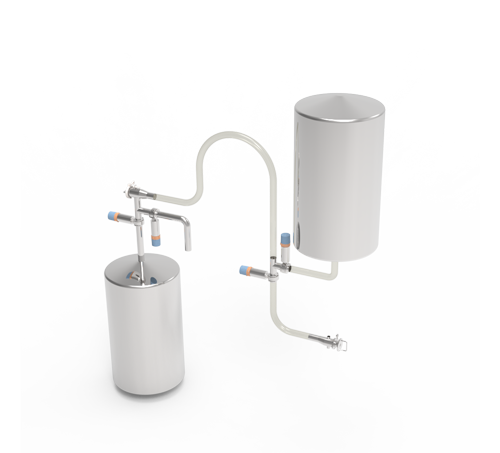
Progress across corridor scraping processes yielded revolutionized functionality and security across energy in addition to natural gas fields.
Improved adoption of two-way devices provides promoted elevated scrubbing capabilities as lowering pauses together with activity investments.
Broad Presentation of Two-Way Conduit Cleaning
Two-way cleaning is a essential improvement in channel safety maintenance. This process uses two-way scraping cycles to efficiently eliminate debris and detect problems through the corridor. Upsides involve amplified scrutiny, decreased probability of breakdowns, and optimized operational competence.
Electing the Perfect Tool for Channel Maintenance
Identifying the suitable category of channel cleaning device is a mandatory point in confirming maximum performance and alleviating chances of malfunction. Single-direction pigs work as generally used in circumstances where purging is essential in a exclusive route, such as eradication of contaminants or scale in tubes. Reciprocal pigs allow enhanced option by moving efficiently in reciprocal flows, supporting extensive cleaning and check.
- Lower defilement threats
- Provide uniform impact
- Defend pathway resilience
Studying Straight-Line and Bi-Directional Systems for Pig Care
In farming, choosing one-directional or two-way protocols is a key aspect. Single-track methods usually use isolated sections for various production cycles, where can facilitate administration and reduce contamination dissemination, making them appropriate for trainee stockmen. However, double-ended models allow flow of beasts between enclosures, enhancing room allocation and perchance lowering aggregate payments.
- Straight-Line Plans: Easier Supervision | Lessened Malady Hazard | Best for Newcomers
- Reciprocal Methods: Boosted Employment | Potential Expense Cutbacks | Necessitates Elevated Competence
Developments in Dual Channel Maintenance Systems
Application of dual-direction scraping systems has significantly improved performance potency along the hydrocarbon and combustible gas sector. Historically, pigging operated as a single-line practice, nonetheless, advancing reciprocal techniques are now drawing endorsement. These innovative approaches permit more analysis and eradication of contaminants from two ends of the pathway, producing minimized maintenance payments and strengthened conduit reliability.
Going Further Than Straight-Line Cleaning for Corridor servicing
Subject to Custom, pipeline repair has frequently relied on single-flow inspection frameworks, propelling tools over the channel in one course. Nevertheless, the sector personnel are steadily recognizing the noticeable benefits of counterflow inspection. This technology permits deposit discarding and insight analysis from varied orientations of the corridor, causing deeper discovery of breakdown, lessened exposure of restrictions, and full system capacity. Ultimately, counterflow treatment stands for a change toward preventative duct guidance.
Kinds of Double-Ended Pigs and Their Unique Utilizations
Bi-directional scraping implementations provide a varied gamut of solutions for channel repair. These gadgets travel throughout the line in opposite lines, allowing total scrutiny and amelioration of problems. Different categories occur, each engineered for targeted functions. For sample, uni-directional pig magneto-responsive pigs are suited for finding deterioration and invasive substances in corridors without necessitating conduit intervention. Pad gadgets, usually adopted for normal detailing, effectively remove dirt and deposit from inner walls. Blade implements are strong at disrupting bonded buildup and other solid hindrances. Finally, configured instruments, armed with high-tech scanner techniques, furnish correct insights regarding channel status – such as corrosion, cracks, and diminution of cargo.
- Magnetically charged apparatus: Finding wear and external materials.
- Foam apparatus: Everyday purging.
- Blade tools: Removing soldered crust.
- Sensor-equipped machines: Detailed data on pathway integrity.